



Aminotransferases (Transaminases)
Aminotransferases (Transaminases)
Aminotransferases (transaminases) are enzymes that catalyze a transamination reaction between amino acids and α-keto acids. They mainly include glutamate-pyruvate transaminase (GPT), also known as alanine aminotransferase (ALT), and glutamate-oxaloacetate transaminase (GOT), also known as aspartate aminotransferase (AST). Aminotransferases (transaminases) play a crucial role in the biosynthesis of non-essential amino acids, helping cells generate the required amino acids by transferring amino groups. Aminotransferases (transaminases) are also involved in the nitrogen-containing compounds metabolism, converting amino acids into forms that are easily excreted or can be used in other metabolic pathways. ALT and AST are often used as clinical diagnostic indicators. An increase in their levels in the blood is often associated with liver diseases such as hepatitis and cirrhosis, heart diseases such as myocardial infarction, and muscle diseases such as polymyositis[1][2].
Aminotransferases (Transaminases) Isoform Specific Products
All Product Categories
-
Aminotransferases (Transaminases) Related Products (49)
Related Products (49)

-
Aminotransferases (Transaminases) Isoform Comparison
-
Tunicamycin
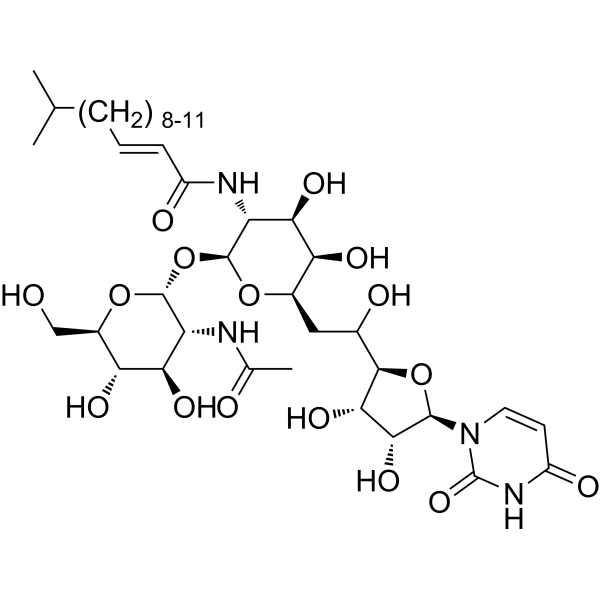 0 ImagesTunicamycin is a mixture of homologous nucleoside antibiotic that inhibits N-linked glycosylation and blocks GlcNAc phosphotransferase (GPT). Tunicamycin causes accumulation of unfolded proteins in cell endoplasmic reticulum (ER) and induces ER stress, and causes blocking of DNA synthesis and cell cycle arrest in G1 phase. Tunicamycin inhibits gram-positive bacteria, yeasts, fungi, and viruses and has anti-cancer activity.Tunicamycin increases exosome release in cervical cancer cells.
-
Sesame Oil
 0 ImagesSesame Oil is a vegetable oil. Sesame Oil can be extracted from the seeds of Sesamum indicum L. Sesame Oil decreases NF-κB, aspartate aminotransferase, alanine aminotransferase, IL-1β, IL-4 and nitric oxide. Sesame Oil has antitumor activity against malignant melanoma. Sesame Oil has protective effects against liver damage caused by various agents such as Cisplatin (HY-17394) and Acetaminophen (HY-66005). Sesame Oil shows antinociceptive and anti-inflammatory activities.
-
Ligustrazine
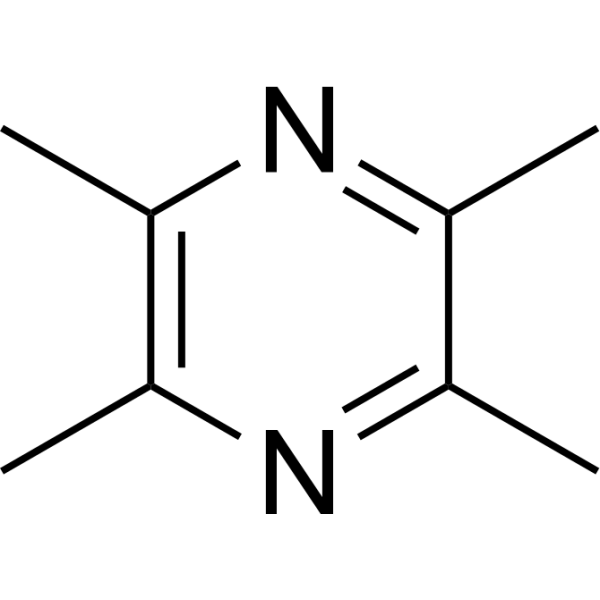 0 ImagesLigustrazine (Chuanxiongzine) is an orally active, blood-brain barrier-permeable alkaloid. It can be isolated from Ligusticum striatum DC. Ligustrazine reduces ROS, upregulates the levels of p-Akt/Akt and p-eNOS/eNOS, and decreases ALT and AST. It inhibits glutamate excitotoxicity, calcium overload, oxidative stress, ischemia-reperfusion injury and atherosclerotic plaque progression, enhances synaptic plasticity, and improves neurological function, cerebral infarct volume and brain water content. Ligustrazine possesses anti-inflammatory, antioxidant, lipid-lowering, endothelial protective and hepatoprotective activities. It can be used in studies related to ischemic stroke, cerebral ischemia-reperfusion injury and atherosclerosis.
-
BCAT-IN-2
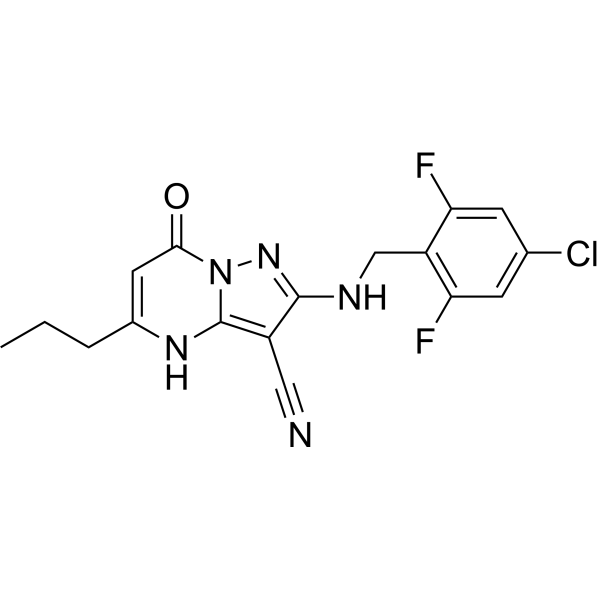 0 ImagesBCAT-IN-2 is a potent, selective and orally active inhibitor of mitochondrial branched-chain aminotransferase (BCATm), with a pIC50 of 7.3. BCAT-IN-2 shows selectivity for BCATm over BCATc (pIC50=6.6). BCAT-IN-2 can be used for the research of obesity and dislipidema.
-
BCATc Inhibitor 2
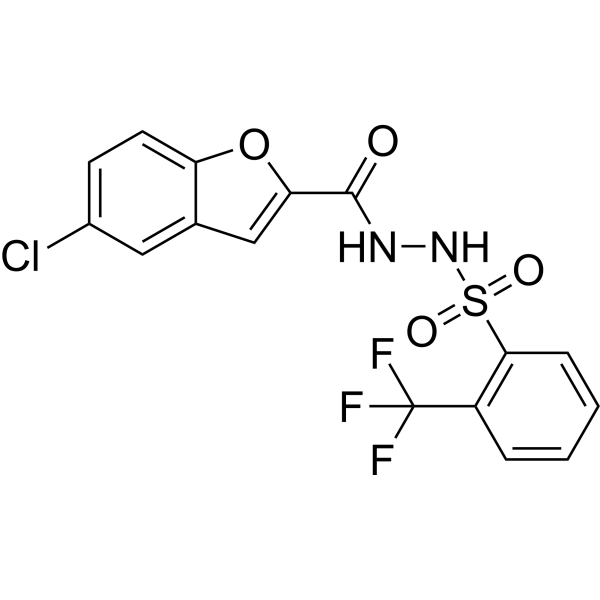 0 ImagesBCATc Inhibitor 2 is a selective branched-chain aminotransferase (BCAT) inhibitor for research of neurodegenerative diseases. The IC50s of 0.2 μM, 0.8 μM and 3.0 μM for rat cytosolic isoenzyme rBCATc, human cytosolic isoenzyme hBCATc and rat mitochondrial isoenzyme rBCATm, respectively. BCATc, also called BCAT1, is in the cytoplasm.
-
α-Glucosidase-IN-119
 0 ImagesCat. No.: HY-184701α-Glucosidase-IN-119 is an α-glucosidase inhibitor with an IC50 of 3.32 μM and oral effectiveness. α-Glucosidase-IN-119 acts as an antihyperglycemic agent, reduces blood glucose levels, restores normal levels of alkaline phosphatase, aspartate transaminase, alanine transaminase, urea, blood urea nitrogen, and total protein, and exhibits antioxidant activity. α-Glucosidase-IN-119 can be used for the research of type 2 diabetes mellitus.
-
D-Amino acid dehydrogenase
 0 ImagesCat. No.: HY-E71044D-Amino acid dehydrogenase (EC 1.4.99.1) is a bacterial enzyme that catalyses the oxidation of D-amino acids into their corresponding oxoacids. D-Amino acid dehydrogenase (EC 1.4.99.1) contains both flavin and nonheme iron as cofactors. The enzyme has a very broad specificity and can act on most D-amino acids.
-
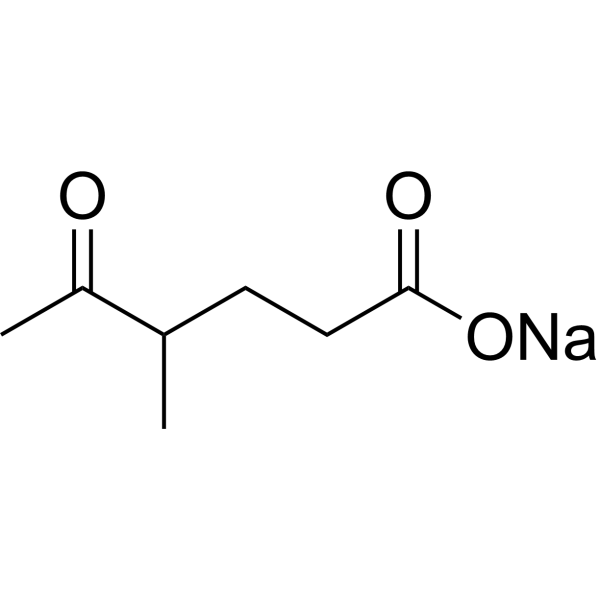
Aspartate aminotransferase, Human
 0 ImagesAspartate aminotransferase (EC 2.6.1.1), Human s a metabolic regulator with the highest activity in the heart, liver and skeletal muscle. Aspartate aminotransferase, Human (HEK293) comprises two isozymes: the cytoplasmic form (AST1) and the mitochondrial form (AST2). By catalyzing reversible transamination reactions between oxaloacetate, L-glutamate and other substances, it is deeply involved in key physiological processes such as amino acid metabolism, the tricarboxylic acid cycle and neurotransmitter synthesis. Aspartate aminotransferase, Human also provides substrate support for the synthesis of urea and purines/pyrimidines. Aspartate aminotransferase, Human is a serum marker reflecting cardiac and hepatic injury, and its abnormal levels are also closely associated with myocardial infarction, cardiovascular diseases and various cancers.
-
PF-04859989 hydrochloride
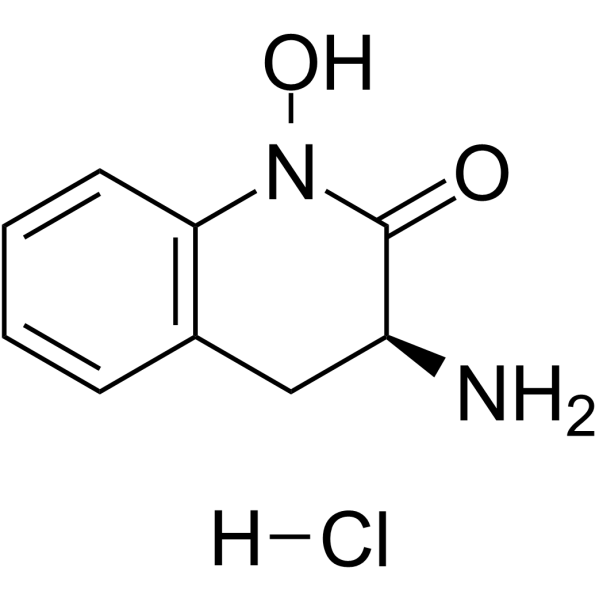 0 ImagesPF-04859989 hydrochloride is a brain-penetrant, irreversible kynurenine aminotransferase (KAT) II inhibitor with IC50s of 23 and 263 nM for hKAT II and rKAT II. PF-04859989 hydrochloride is selective for KAT II over human KAT I, KAT III, and KAT IV (IC50s of 22, 11, and >50 μM, respectively).
-
Aspartate aminotransferase, porcine heart
 0 ImagesSynonyms: EC 2.6.1.1, porcine heart; GOT, porcine heart; AST, porcine heartAspartate aminotransferase (EC 2.6.1.1), porcine heart is a metabolic regulator with the highest activity in the heart, liver and skeletal muscle. Aspartate aminotransferase, porcine heart comprises two isozymes: the cytoplasmic form (AST1) and the mitochondrial form (AST2). By catalyzing reversible transamination reactions between oxaloacetate, L-glutamate and other substances, it is deeply involved in key physiological processes such as amino acid metabolism, the tricarboxylic acid cycle and neurotransmitter synthesis. Aspartate aminotransferase, porcine heart also provides substrate support for the synthesis of urea and purines/pyrimidines. Aspartate aminotransferase, porcine heart is a serum marker reflecting cardiac and hepatic injury, and its abnormal levels are also closely associated with myocardial infarction, cardiovascular diseases and various cancers.
-
ERG245
 0 ImagesCat. No.: HY-159730Purity: 99.49%ERG245 is a selective amino acid aminotransferase (BCAT1) inhibitor with a human IC50 of 0.5 nM. ERG245 enhances oxidative phosphorylation (OXPHOS) in CD8+ T cells by specifically inhibiting BCAT1 activity, thereby increasing the cytotoxicity of CD8+ T cells. ERG245 shows anti-inflammatory and anti-tumor activities. ERG245 can be used for the researches of cancer anf inflammation, such as colitis and colon cancer.
-
Diethyl phthalate
 0 ImagesDiethyl phthalate is an orally active plasticizer and detergent base. Diethyl phthalate increases the activities of ACP, ALP, SDH, and ALT in liver, muscle, or both tissues. Diethyl phthalate induces dose-dependent mortality and sluggish behavior in freshwater fish. Diethyl phthalate may induce male reproductive toxicity. Diethyl phthalate is added to plastic polymers to help maintain their flexibility.
-
Ligustrazine hydrochloride
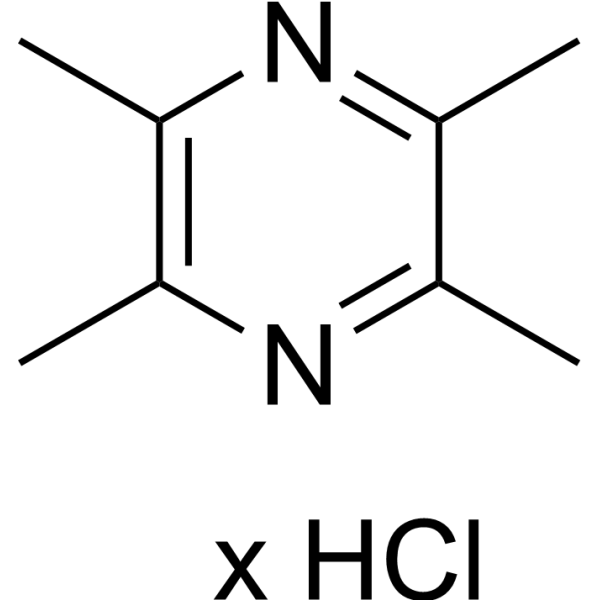 0 ImagesSynonyms: Chuanxiongzine hydrochloride; Tetramethylpyrazine hydrochlorideLigustrazine hydrochloride (Chuanxiongzine hydrochloride) is an orally active, blood-brain barrier-permeable alkaloid. It can be isolated from Ligusticum striatum DC. Ligustrazine hydrochloride reduces ROS, upregulates the levels of p-Akt/Akt and p-eNOS/eNOS, and decreases ALT and AST. It inhibits glutamate excitotoxicity, calcium overload, oxidative stress, ischemia-reperfusion injury and atherosclerotic plaque progression, enhances synaptic plasticity, and improves neurological function, cerebral infarct volume and brain water content. Ligustrazine hydrochloride possesses anti-inflammatory, antioxidant, lipid-lowering, endothelial protective and hepatoprotective activities. It can be used in studies related to ischemic stroke, cerebral ischemia-reperfusion injury and atherosclerosis.
-
Aspartate aminotransferase, Genetically engineered bacteria
 0 ImagesAspartate aminotransferase (EC 2.6.1.1), Genetically engineered bacteria is a metabolic regulator with the highest activity in the heart, liver and skeletal muscle. Aspartate aminotransferase, Genetically engineered bacteria comprises two isozymes: the cytoplasmic form (AST1) and the mitochondrial form (AST2). By catalyzing reversible transamination reactions between oxaloacetate, L-glutamate and other substances, it is deeply involved in key physiological processes such as amino acid metabolism, the tricarboxylic acid cycle and neurotransmitter synthesis. Aspartate aminotransferase, Genetically engineered bacteria also provides substrate support for the synthesis of urea and purines/pyrimidines. Aspartate aminotransferase, Genetically engineered bacteria is a serum marker reflecting cardiac and hepatic injury, and its abnormal levels are also closely associated with myocardial infarction, cardiovascular diseases and various cancers.
-
L-Prolylglycine
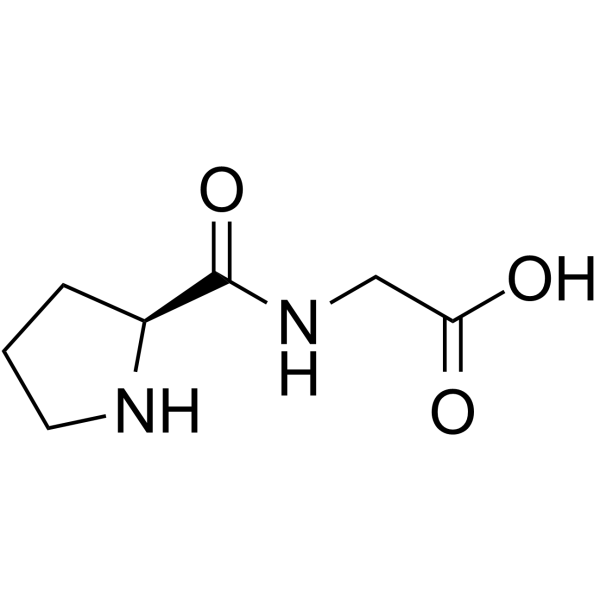 0 ImagesL-Prolylglycine is a proline-glycine dipeptide. L-Prolylglycine is absorbable through the jejunal and ileal mucosa. In streptozotocin (HY-13753)-induced diabetic mice, L-Prolylglycine reduces hepatic ALT activity and increases hepatic ALP activity. L-Prolylglycine prevents excessive elevation of blood glucose in diabetic mice. L-Prolylglycine is applicable to diabetes-related research.
-
iGOT1-01
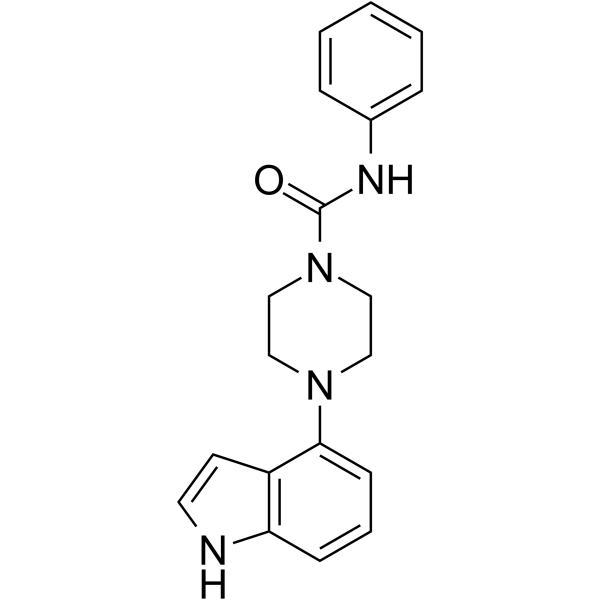 0 ImagesiGOT1-01 is a potent aspartate aminotransferase 1 (glutamate oxaloacetate transaminase 1; GOT1) inhibitor. iGOT1-01 has IC50s of 85 μM and 11.3 μM in MDH coupled GOT1 enzymatic assay and GOT1/GLOX/HRP assay, respectively. iGOT1-01 has anti-cancer activity.
-
BCAT-IN-1
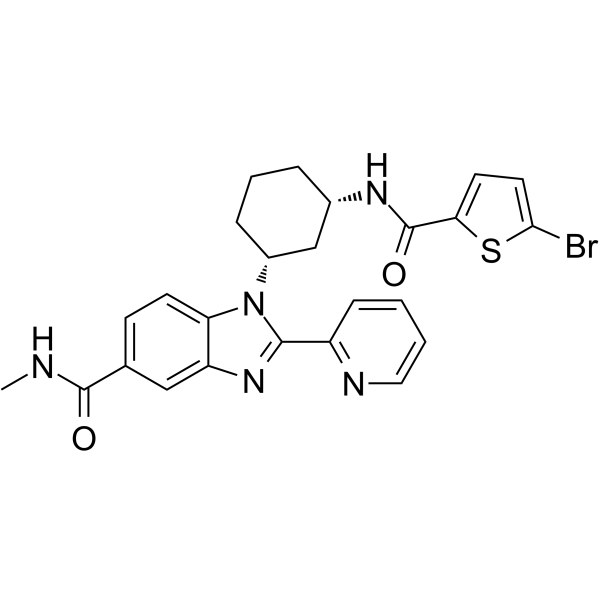 0 ImagesBCAT-IN-1 is a potent, selective and orally active inhibitor of BCATm, with a pIC50 of 7.3. BCAT-IN-1 shows 100-fold selectivity for BCATm over BCATc (pIC50=5.4). BCAT-IN-1 can be used for the research of metabolic diseases.
-
BFF-816
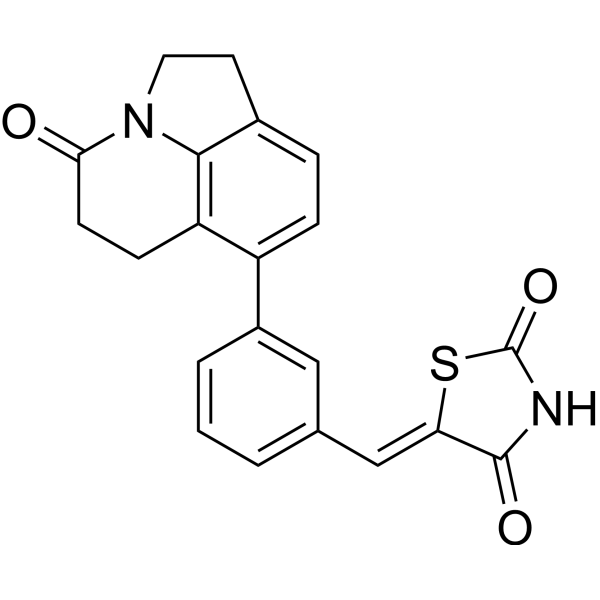 0 ImagesBFF-816 is an orally active kynurenine aminotransferase II (KAT II) inhibitor. BFF-816 can be used in the research of the neurobiology of KYNA.
-
Erythromycin estolate
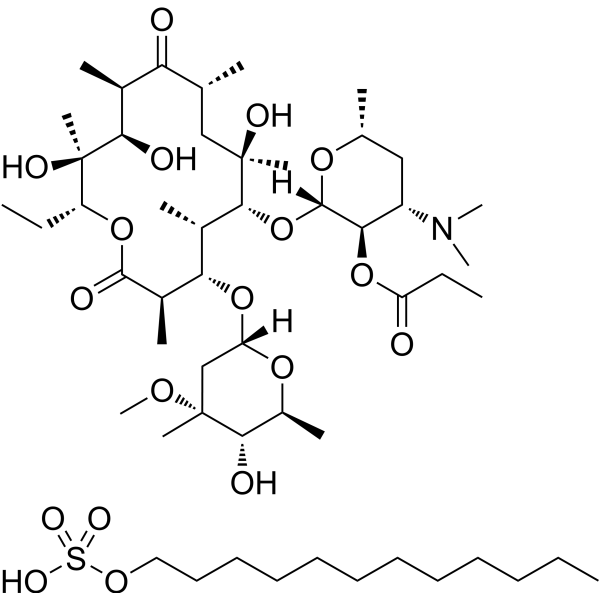 0 ImagesErythromycin estolate is the Erythromycin (HY-B0220) derivative, is a macrolide antibiotic used in the treatment of a wide variety of bacterial infections. Erythromycin estolate causes several cases of liver injury which mostly include cholestatic hepatitis. Erythromycin estolate toxicity is related to its inhibitory effect on bile acid transport.



